Depel Travel • Experience Bhutan
Depel Travel • Experience Bhutan
Not sure? Not a problem, we’re here to help.
Your tourist visa is processed before arrival through your licensed Bhutanese tour operator. You must send them a clear digital copy of your passport's photo page. The visa fee is $40 USD and the daily Sustainable Development Fee (SDF) is $100 USD per night; these are typically paid as part of your total tour cost. It is crucial to always carry a copy of your approved e‑visa clearance letter and passport while traveling within the country, as checkpoints are common.
It is mandatory for all non‑regional tourists to be accompanied by an officially licensed Bhutanese guide and driver when traveling outside the Paro and Thimphu valleys. Your guide and driver are your hosts, translators, and experts, providing invaluable cultural context.
While not compulsory, tipping is customary and serves as an important recognition of excellent service. A standard combined tip for the guide and driver is generally suggested to be around $20–$30 USD per day (for the pair, traveling as a couple or small group).
Be prepared for a surprisingly spicy cuisine! Bhutanese food heavily features chili peppers (Ema) as a vegetable, not just a spice. The national dish is Ema Datshi (chili and cheese stew). Other must‑try dishes include Kewa Datshi (potato and cheese) and Momos (dumplings). Your guide will always ensure your meals are adjusted to your personal spice preference.
Stick exclusively to bottled or purified water provided by your hotel or guide. Popular local alcoholic drinks include Ara (a distilled rice/millet spirit) and various local beers like Red Panda. Be sure to try Suja, the traditional salty butter tea, especially when hosted in a Bhutanese home or monastery.
Bhutan's mountain weather can be unpredictable, making layering essential. Even during the best seasons (spring/autumn), days can be warm while nights are cold. Pack a warm jacket, a waterproof or water‑resistant outer shell, and sturdy hiking boots for sightseeing and trekking.
Most itineraries operate in high‑altitude areas. To mitigate the risk of altitude sickness, take it easy on your first day, drink plenty of water, and avoid alcohol. Bring a small personal medical kit with remedies for headaches or stomach upset.
Bhutan is exceptionally safe, with a very low crime rate. The primary safety concerns are related to mountain driving (roads are winding and narrow) and navigating steep, uneven temple steps and terrain. Always follow your guide's advice on trails and roads.
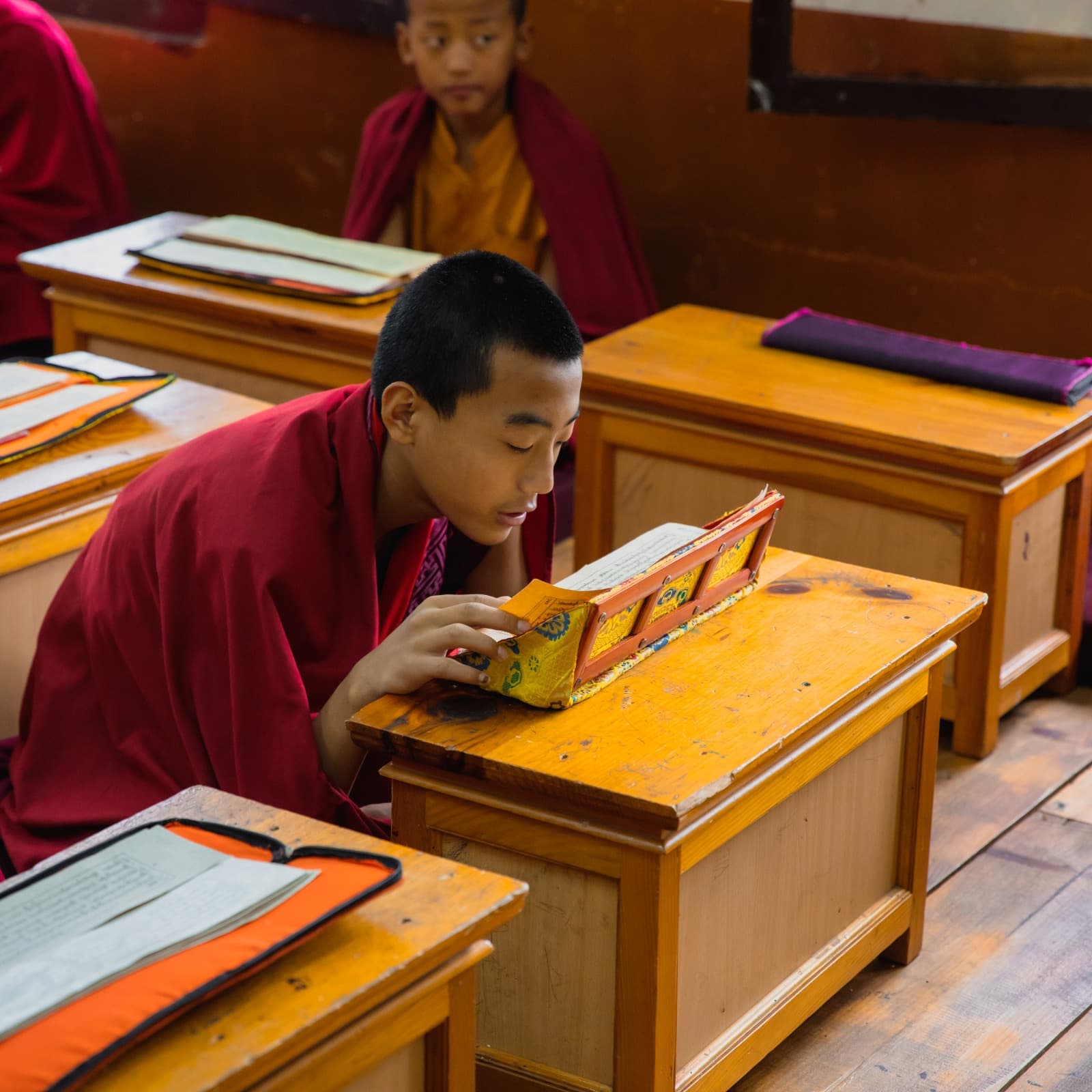
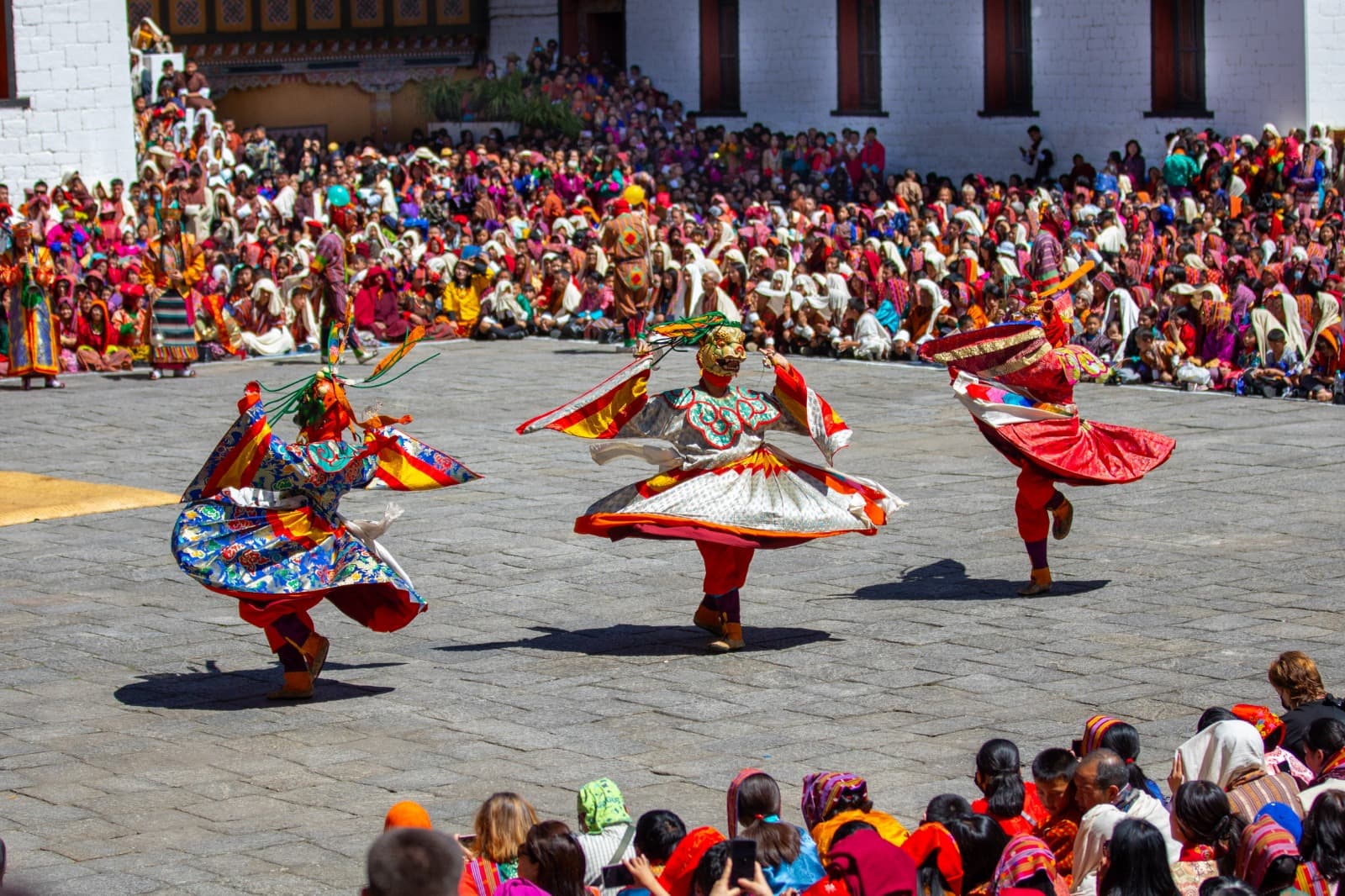
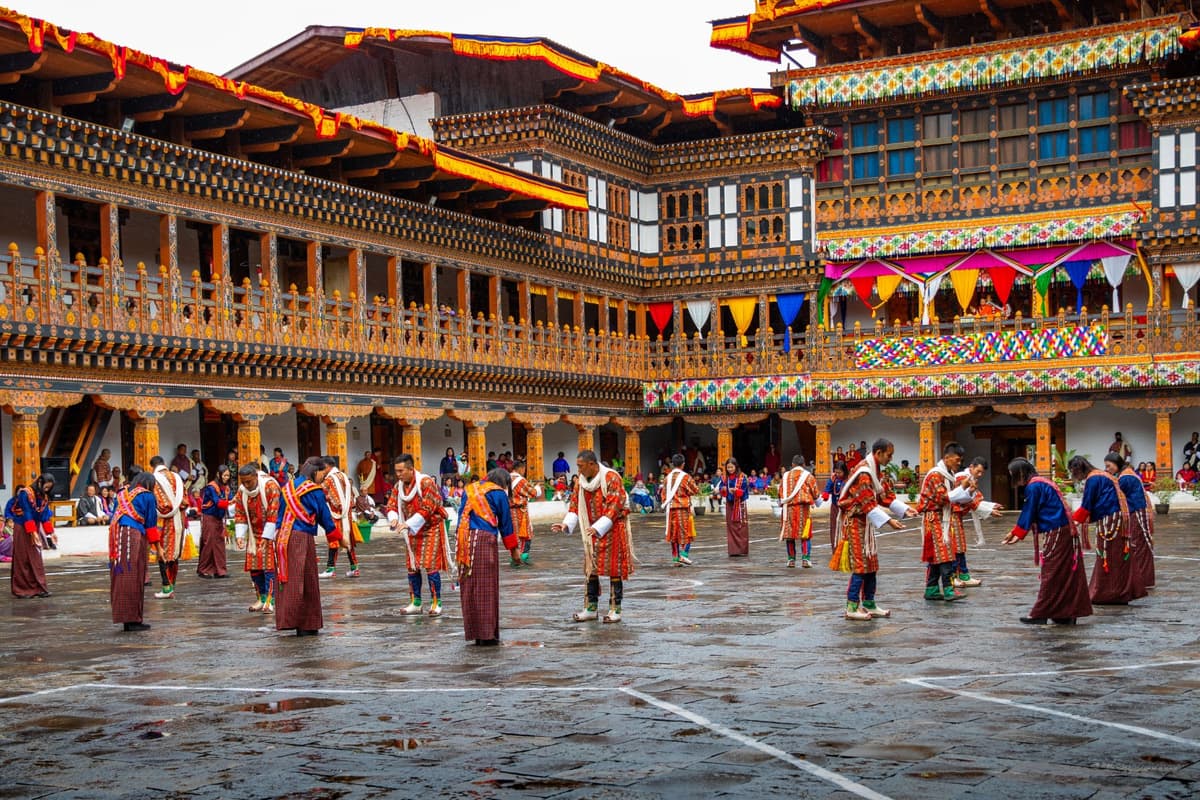
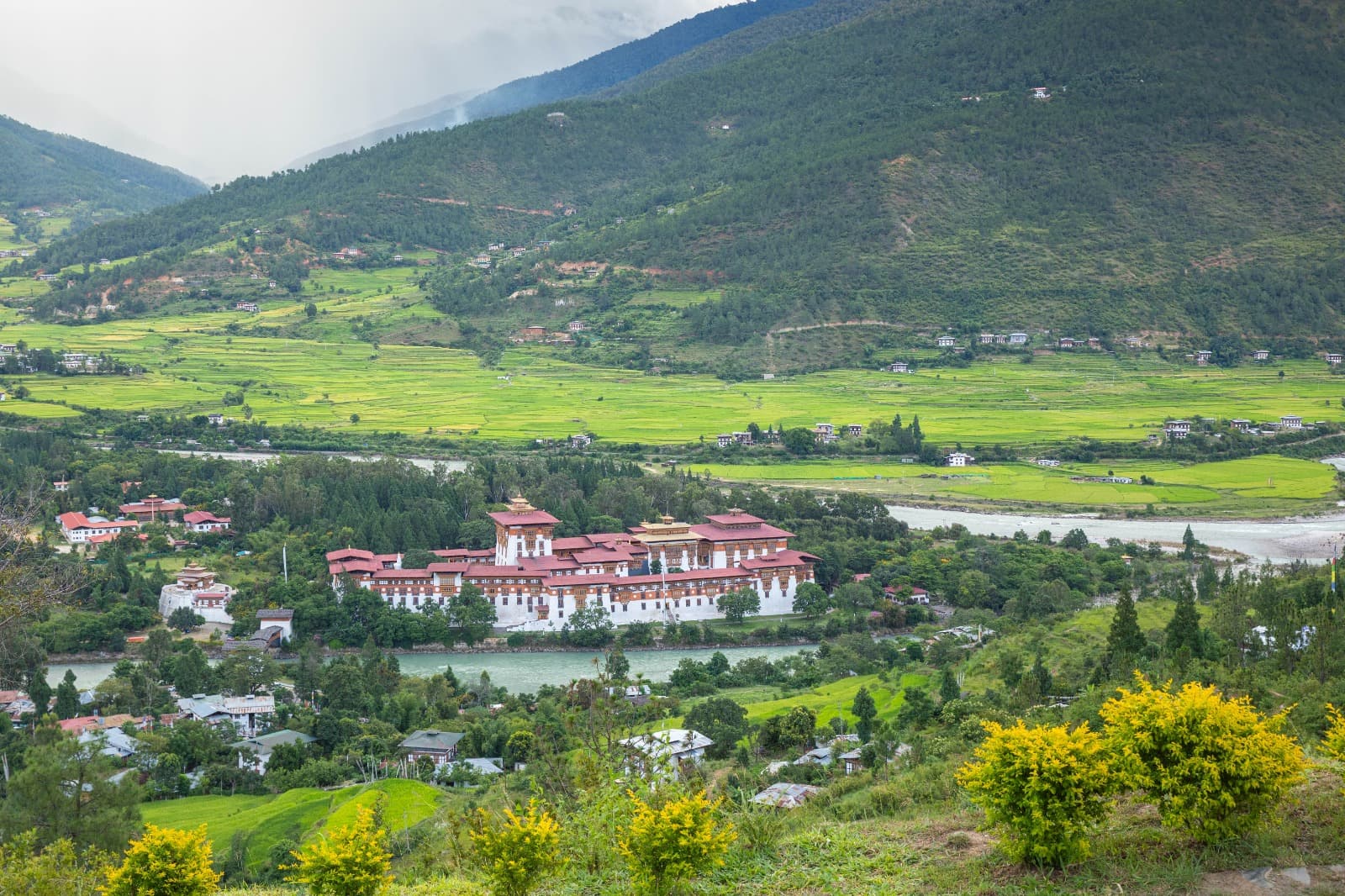
Respect for religious sites is paramount. Always wear long sleeves and long trousers or skirts when visiting Dzongs, Lhakhangs (temples), and monasteries. Remove your hat before entering any sacred complex. When walking around chortens (stupas) or prayer wheels, circumambulate clockwise (to the right). Photography is often restricted inside inner sanctuaries.